
What Is Dedicated Vehicle Transport?
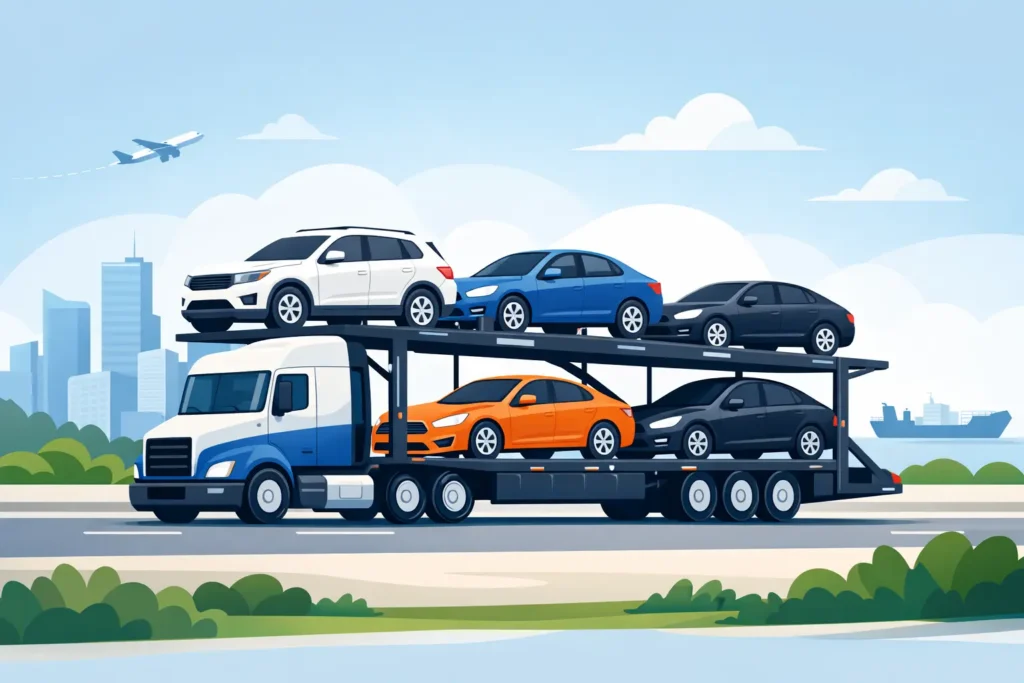
A delayed shipment is rarely just a transport problem. It can stall an installation, disrupt a customer handoff, tie up staff, or create avoidable cost across the chain. That is why the question what is dedicated vehicle transport matters more than it first appears. In simple terms, it means one vehicle is assigned exclusively to one customer’s load for a specific trip, with no unrelated freight added along the way.
That exclusive-use model gives the shipper more control over timing, handling, routing, and communication. For businesses moving time-sensitive goods, high-value items, fragile equipment, or urgent replenishment stock, dedicated vehicle transport is often less about luxury and more about risk control.
What is dedicated vehicle transport in practice?
Dedicated vehicle transport is a point-to-point or tightly managed movement where the vehicle capacity is reserved for a single shipment or single customer. Unlike shared transport, the truck, van, or specialized vehicle is not used to consolidate multiple customers’ cargo on the same run.
In practice, that usually means pickup happens on an agreed schedule, the route is planned around the shipment’s requirements, and delivery is made without the delays that often come from extra stops, re-sorting, or cross-docking. The cargo stays under one operational plan from collection to drop-off.
This does not always mean the vehicle must be filled to maximum capacity. A business may book a dedicated sprinter van for a partial load simply because speed, security, or direct handling matters more than paying only for shared space. That is one of the key trade-offs – dedicated transport typically costs more than groupage or other consolidated options, but it reduces variables.
How dedicated transport differs from shared freight
The easiest way to understand the model is to compare it with standard shared freight operations. In a shared network, multiple shipments from different customers are grouped together to improve vehicle utilization. That approach is efficient and often cost-effective, especially for flexible delivery windows.
The downside is that shared freight introduces dependency. One late pickup can affect downstream timing. A hub delay can shift delivery. More handling points increase the chance of damage, misrouting, or administrative friction.
Dedicated vehicle transport removes much of that complexity. There are fewer touchpoints, clearer accountability, and stronger schedule control. For logistics teams, that translates into better predictability. For customers receiving critical items, it often means less waiting and fewer status gaps.
Still, dedicated is not automatically the right choice for every shipment. If the cargo is low value, non-urgent, and easy to handle, shared transport may be the smarter commercial option. The right decision depends on what failure would cost if the shipment arrives late, damaged, or without clear visibility.
When dedicated vehicle transport makes sense
Dedicated transport is typically used when the shipment cannot tolerate the compromises of a shared network. That may be because of timing, cargo sensitivity, compliance, or the commercial importance of the delivery.
A manufacturer might use it for a line-down emergency part that needs to cross a border overnight. A retailer might choose it for store-critical inventory during a launch period. A medical or technical supplier may require dedicated handling because the goods are fragile, calibrated, or high value. Event logistics is another common case, since equipment often has fixed delivery slots and little room for delay.
There is also a strong case for dedicated transport when communication must be exact. If your team needs real-time map tracking, documented milestones, and immediate escalation when conditions change, a dedicated movement is easier to manage operationally. The service model is simpler, so visibility tends to be cleaner.
The main advantages
The biggest advantage is control. When one vehicle is assigned to one shipment, routing decisions are made around that shipment, not around a mix of unrelated consignments. That usually improves speed, but more importantly, it improves predictability.
Handling risk is also lower. Fewer loading and unloading events mean less chance of impact damage, missing items, or packaging stress. For delicate machinery, electronics, exhibits, or premium goods, that matters.
Security is another reason businesses choose dedicated service. Exclusive-use transport reduces exposure because the cargo is not moving through multiple depots or mixed with unknown freight. Documentation can also be more straightforward, especially when customs paperwork, chain-of-custody records, or delivery confirmation are important.
Then there is communication. Dedicated shipments are easier to monitor because the operation is linear. Pickup, transit, and delivery can be tracked with fewer blind spots. That supports the kind of transparent service many shippers now expect, especially across cross-border routes where timing and documentation must stay aligned.
The trade-offs to consider
The most obvious trade-off is price. You are paying for reserved vehicle capacity and a service structure built around your shipment alone. If cost per pallet or cost per kilo is your only metric, dedicated transport may look expensive.
But direct cost is not the whole picture. A missed install appointment, a production stoppage, or a failed customer SLA can cost far more than the rate difference between shared and dedicated transport. Businesses that use dedicated service regularly usually evaluate total operational impact, not just freight spend.
Availability can also vary. During peak periods, vehicle type, route demand, and border conditions all affect capacity. If you need a refrigerated van, a liftgate truck, or a two-person crew, planning matters. Dedicated service is flexible, but it still depends on having the right equipment and driver network in place.
It is also worth noting that dedicated transport does not remove every risk. Traffic, weather, customs inspections, and access restrictions can still affect transit. What changes is the level of control and the speed of response when problems appear.
What to check before booking a dedicated vehicle
Before you book, define the shipment requirement clearly. Start with the basics: dimensions, weight, collection and delivery addresses, timing window, and any special handling needs. Then go further. Does the cargo need temperature control, extra securing, tail-lift access, appointment delivery, or customs documentation?
You should also ask what visibility the provider offers during transit. Real-time GPS tracking, named contact points, proof of delivery, and proactive status updates make a real difference when the shipment is business-critical. If something changes on the road, you need early notice, not a vague update after the fact.
For cross-border moves, documentation discipline matters just as much as vehicle availability. Incorrect paperwork can erase the speed advantage of a dedicated run. A dependable provider should be able to explain what documents are needed, how milestones will be reported, and who is accountable at each stage.
This is where an integrated mobility operator can bring extra value. A company such as Alconedo can connect dedicated transport with broader movement needs, whether that means coordinating urgent logistics, arranging supporting business travel, or managing last-mile urban delivery through a single operational ecosystem.
Common vehicle types used for dedicated transport
The vehicle depends on the load and the route. Small urgent consignments often move in vans or sprinter-class vehicles because they are fast, flexible, and easier to route into restricted urban areas. Larger commercial shipments may require box trucks, curtain-side vehicles, or full-size trailers.
Specialized cargo may call for temperature-controlled units, high-security vehicles, or equipment designed for oversized or sensitive goods. The key point is that dedicated vehicle transport is not one fixed asset class. It is a service model built around exclusive use and shipment-specific planning.
That distinction matters because some shippers assume dedicated transport is only for full truckload movements. It is not. The deciding factor is exclusivity and control, not whether the cargo fills every inch of the vehicle.
Is dedicated vehicle transport worth it?
If the shipment is routine and delay carries little consequence, probably not. Shared freight exists for a reason, and for many standard moves it is the most economical answer.
If timing is tight, handling must be minimized, or the commercial impact of failure is high, dedicated transport is often worth the premium. It gives you a cleaner chain of execution, more reliable communication, and fewer operational variables. For many businesses, those gains protect revenue, customer trust, and internal efficiency.
A good transport decision is not about choosing the most expensive option or the cheapest one. It is about matching the service level to the real cost of risk. When the shipment matters enough that delay, damage, or uncertainty is unacceptable, dedicated vehicle transport stops being a special request and becomes the practical choice.
The most useful question is not whether dedicated transport costs more. It is whether your operation can afford the uncertainty that comes without it.
